Where is the best place to stay in Chiloé?
Choosing your starting point in the archipelago is a determining factor for your travel experience. Chiloé is a vast territory, stretching over 200 kilometers from its northern tip to the southern port of Quellón, articulated by an amphibious geography of fjords, inland routes, and maritime crossings. Let's analyze the main options:
Ancud
The historical gateway. It houses great attractions like the Puñihuil penguin colonies or the San Antonio Fort, but its location in the far north requires longer travel distances if your main goal is to explore the inland sea or the eastern islands.
Quellón
Located at the zero milestone of the Pan-American Highway. It is functional as a transit port towards green Patagonia, although its distance from the UNESCO churches increases travel times.
Castro
Nestled in the geographic center of the Isla Grande. It combines urban dynamism, architectural heritage, and an equidistant position to the archipelago's main circuits.
Why Castro is usually the best base
For those looking to optimize routes without the discomfort of changing luggage daily, booking accommodation in Castro represents the most efficient logistical decision. Its advantage lies not only in its equidistance to the National Parks or the network of 16 UNESCO World Heritage churches, but in a connectivity infrastructure that often surprises contemporary travelers.
The public transport and rural minibus network from the Castro Municipal Terminal operates with exceptional fluidity, connecting better and faster than many mainland areas to Dalcahue, Chonchi, the Rilán peninsula, or the piers to the smaller islands.
Advantages of staying on the waterfront
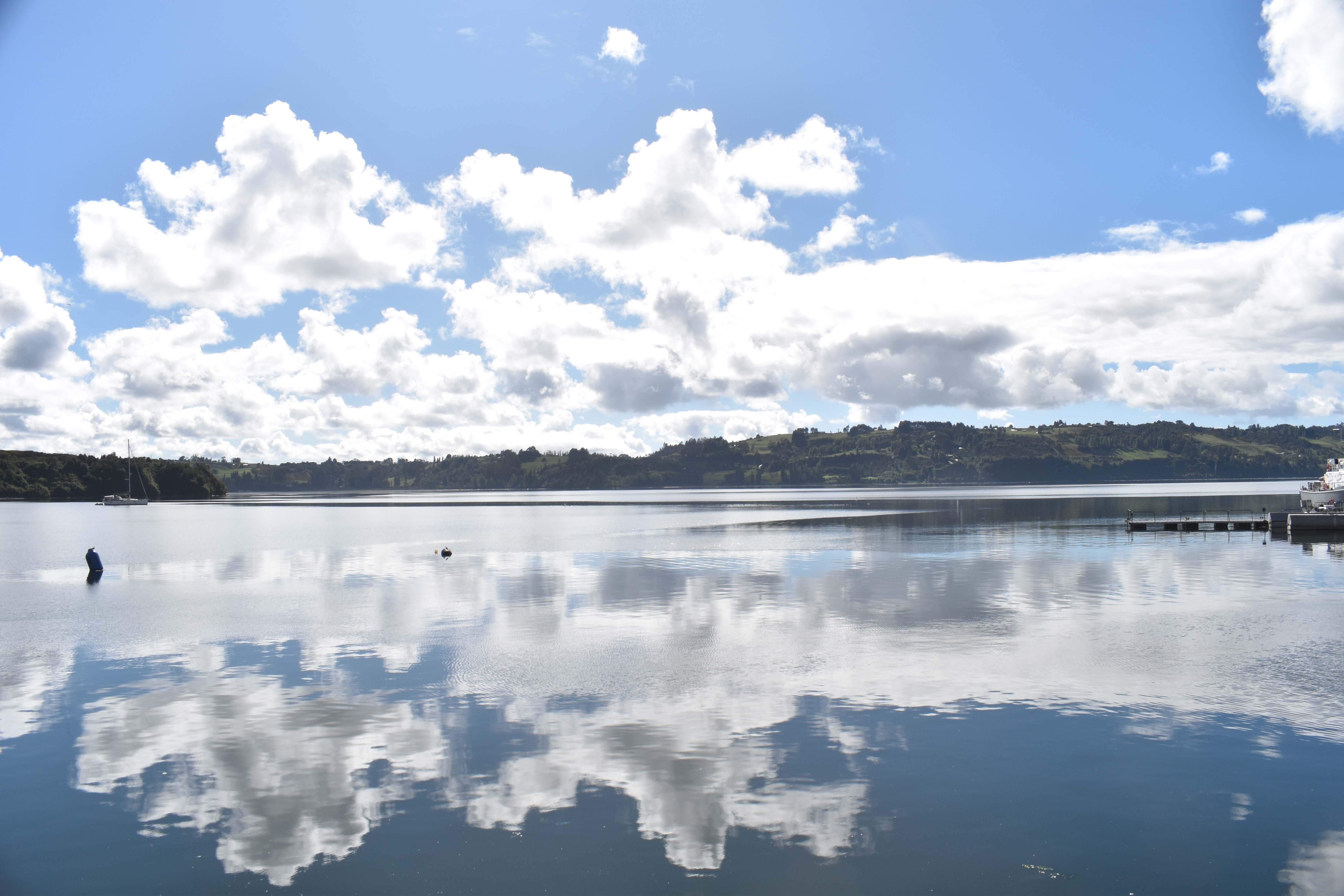
Being located at sea level means waking up to the morning light over the fjord, watching the artisanal boats set out for their daily tasks, and walking to the port, the Lillo artisans' fair, or the specialty coffee shops in the stilt house neighborhoods.
Boutique hotel or boutique hostel?
When planning a trip, it is common for cultural travelers to seek boutique hotel alternatives in Castro. However, what the discerning traveler truly seeks is rarely the impersonal formality of a traditional hotel, but a precise combination of attributes: privacy, ethical and neat interior design, nobility in local materials, and shared spaces that stimulate community conversation.
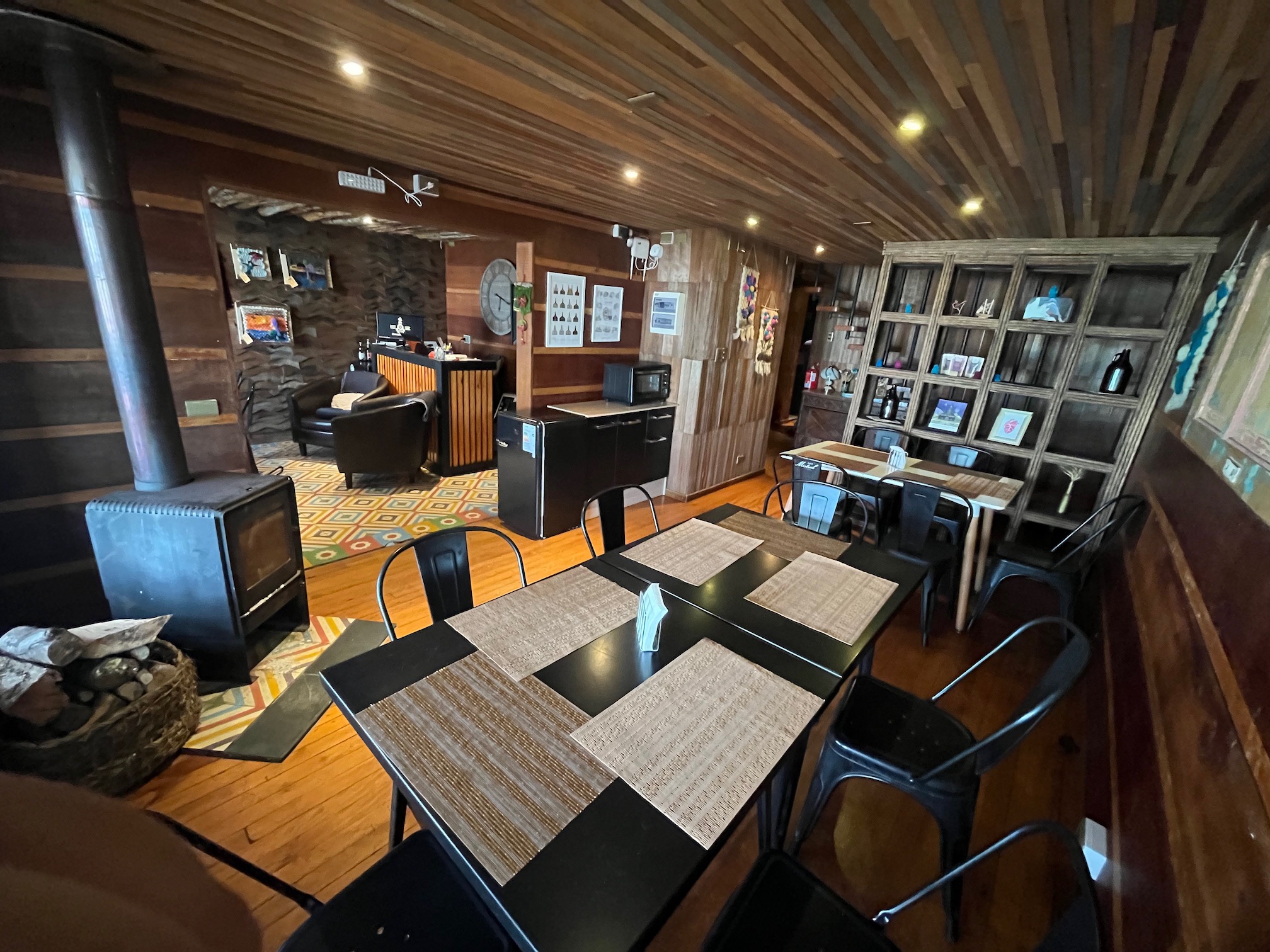
This is where the boutique hostel concept redefines the offering. It provides highly comfortable private rooms with exclusive bathrooms and fjord views, combined with the cozy atmosphere of a refuge where you can share maps, coffee, and recommendations with other digital nomads and explorers. It is the elegance of design united with the warmth of a Chilote home.
What to see near Castro?
Establishing your base camp in the city allows you to explore the most emblematic landmarks with agile logistics. Some attractions are located less than a 10-minute walk from our hostel, while further routes take no more than an hour and a half:
-
Gamboa Stilt Houses: Iconic set of stilt architecture on native wood pillars, accessible on foot along the waterfront.
-
San Francisco Church: Monumental temple of noble woods located opposite the Main Square (UNESCO World Heritage).
-
Yumbel Market & Lillo Fair: Direct encounter with the island's living culture, ideal for marine gastronomy and admiring basketry steps from the port.
-
Rilán Peninsula: Rural area of rolling fields, wetlands for migratory bird watching, and heritage churches.
-
Dalcahue & Quinchao Island: Famous for its artisan market, with a short ferry crossing to picturesque villages like Curaco de Vélez.
-
Chiloé National Park & Dock of Souls: Temperate rainforest, wild beaches on the Pacific Ocean, and coastal mythology (a one-hour journey).
How many days should you stay in Castro?
When planning an itinerary, the ideal for a first visit to the archipelago is a stay of three to five nights. This margin represents the perfect balance between active exploration and unhurried contemplation.
Over a period of 3 to 5 days based in Castro, it is possible to calmly explore the city's urban heritage, the UNESCO church routes in the inland sea, the craftsmanship, and the parks of the Pacific coast. This duration allows you to adapt to the rhythm of the tides and enjoy the island with the time it deserves.
Continue Exploring the Logbook
Frequently asked questions
What is the best base to stay in Chiloé?
Castro is usually the best base. It sits at the geographic center of the Isla Grande and is roughly equidistant from the archipelago's main circuits, so you can cover routes without changing luggage every day. Ancud is at the far north and Quellón in the south, both farther from the UNESCO churches.
How many nights should you stay in Castro?
For a first visit, three to five nights. It is the balance between active exploration and unhurried contemplation: enough for Castro's urban heritage, the UNESCO church routes of the inland sea, local crafts and the Pacific coast parks.
What is there to see near Castro?
Nearby highlights include the Gamboa stilt houses, San Francisco Church opposite the Main Square and the Lillo Fair; some are less than a 10-minute walk from the hostel. Farther out, within an hour and a half, are the Rilán Peninsula, Dalcahue and Quinchao Island, and Chiloé National Park with the Dock of Souls.
Is there public transport from Castro to explore the island?
Yes. Rural minibuses leave from the Castro Municipal Terminal and connect to Dalcahue, Chonchi, the Rilán peninsula and the piers to the smaller islands.
Is a boutique hotel or a boutique hostel better in Castro?
A boutique hostel offers private rooms with exclusive bathrooms and fjord views, plus shared spaces to talk with other travelers. It is an alternative to the formality of a traditional hotel.

Our Recommendation
If you are looking for a strategic location to explore the archipelago, with private rooms and fjord views, Castro is your best base. Start your journey from the waterfront at Estación Hostel.
Book Your Station